Perth Site Grading
Subtle, planned falls that move water away from your home and toward drainage before your new turf goes down.
Site Grading in Perth
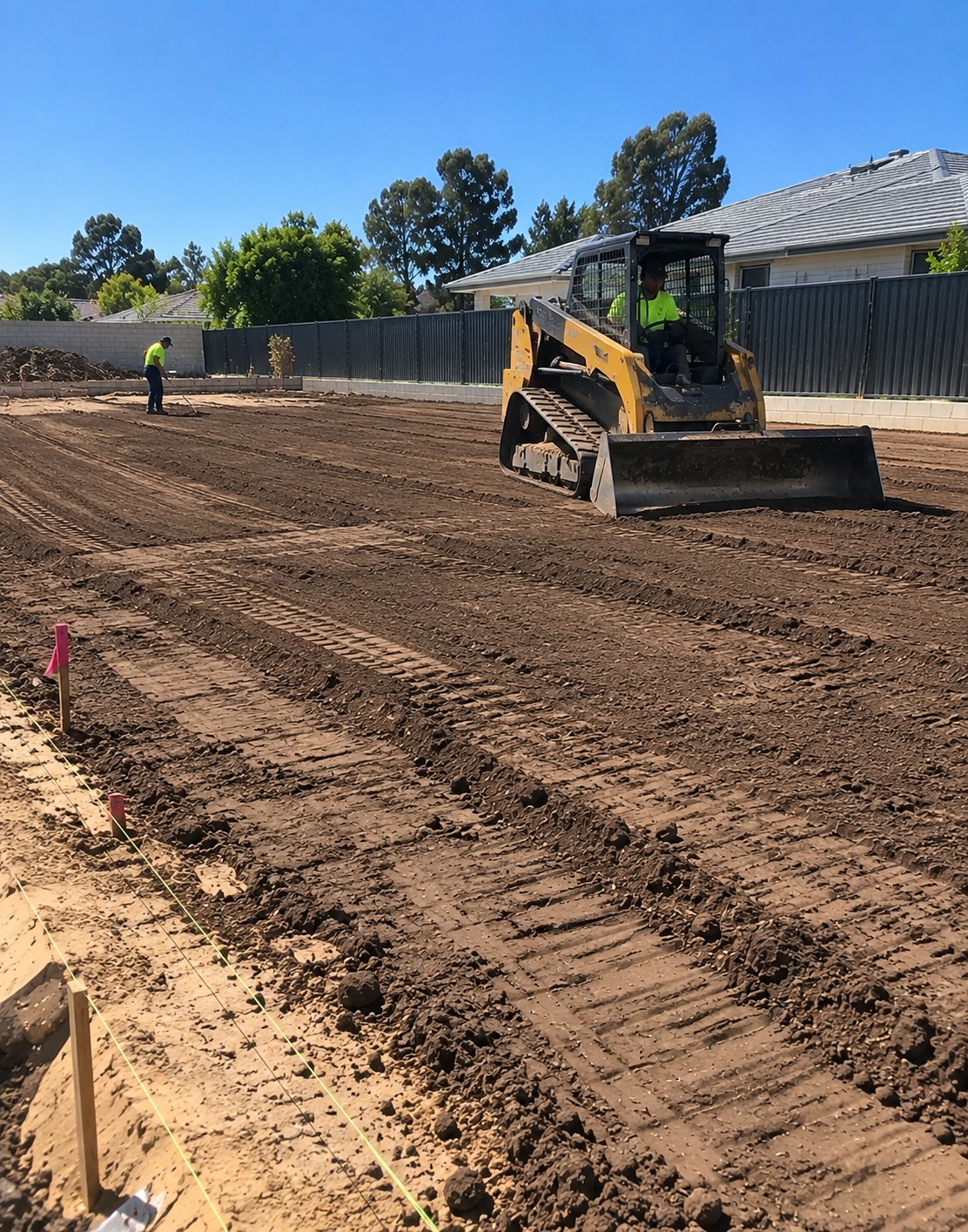
Water needs somewhere to go, and that's exactly what proper site grading in Perth is designed to manage before your new turf goes down. We shape your yard with subtle, intentional falls that direct rainwater and irrigation away from your home's foundations and toward appropriate drainage points. Without correct grading, water can pool against structures, saturate low-lying turf areas, or run off too quickly to be absorbed properly, all of which cause long-term problems for your lawn and property.
Getting grading right requires understanding how your specific block sits and drains naturally, not just levelling everything flat. Our team plans grading as part of your overall site preparation, so your finished lawn not only looks great but genuinely performs well through Perth's occasional heavy downpours and long dry spells alike.
Ready to get started? Call us on (08) 6171 2445 or send your details through the form for a free quote.
Thanks — we've got your details
We'll be in touch shortly with your free quote.
Get a Free Estimate
Fill in your details and we'll be in touch to discuss your lawn.
Site Grading in Perth: What To Expect
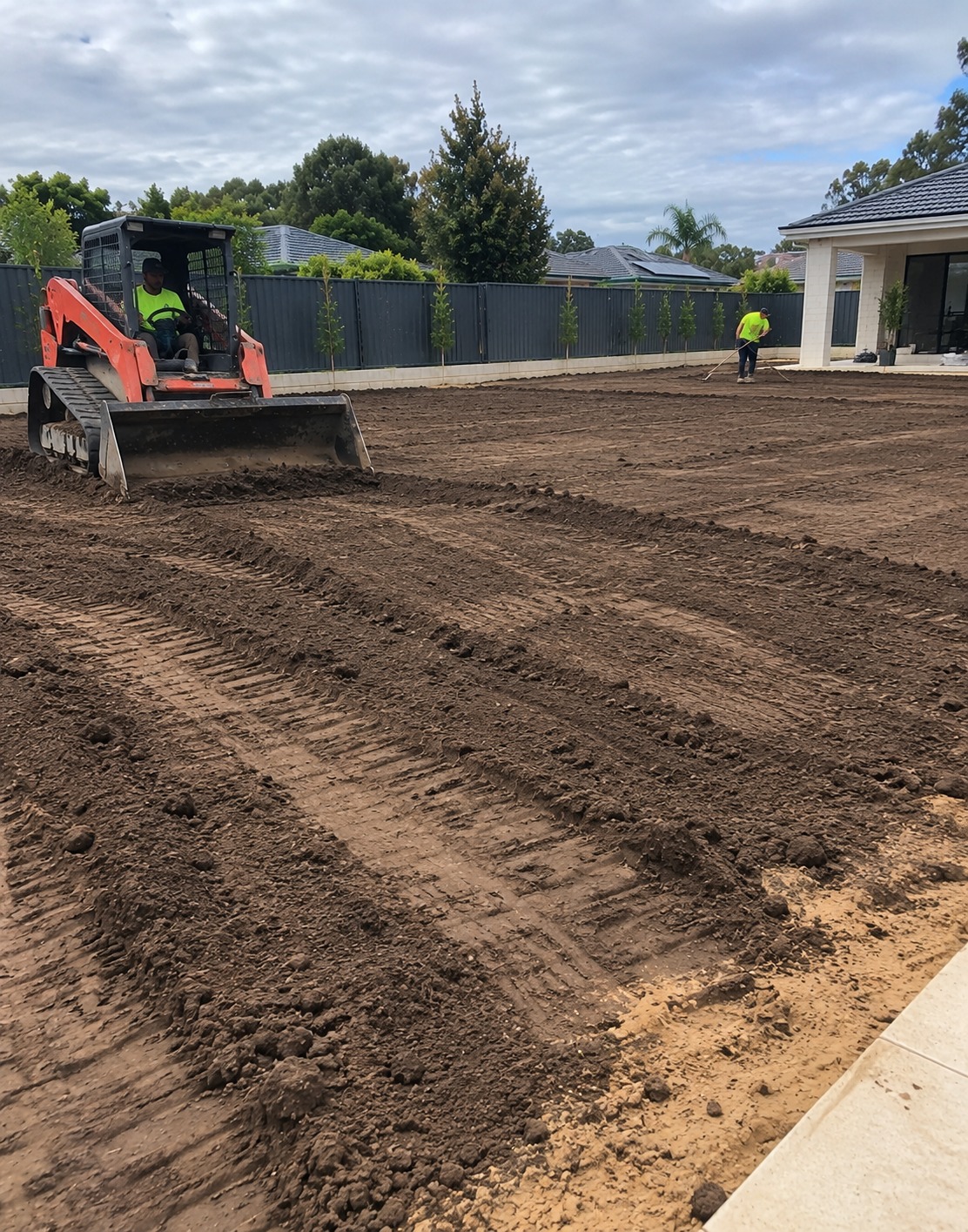
Grading is about more than flatness — it's specifically designed to manage where water goes once your lawn is established. Our process involves creating subtle, intentional slopes across your yard that direct rainwater and irrigation away from your home's foundations and toward appropriate drainage points. This requires understanding how your particular block naturally drains, rather than simply levelling everything flat and hoping for the best. Getting grading wrong can mean water pooling against your house or turf areas staying saturated far longer than they should, so we plan this stage carefully as part of your broader site preparation.
- Assessing natural drainage patterns across the site
- Identifying areas prone to water pooling
- Establishing falls away from structures and foundations
- Shaping soil to create intentional drainage slopes
- Testing water flow after grading is complete
- Adjusting for existing paths, beds, or structures
- Confirming proper drainage before turf installation
Why Choose Our Site Grading Service in Perth
Drainage-Focused Planning
You get grading designed around how your specific site naturally drains, so our company directs water intentionally rather than leaving it to chance.
Foundation Protection
We create falls that direct water away from your home, so you avoid pooling against foundations that could cause long-term structural problems.
Site-Specific Approach
You receive a grading plan suited to your block's natural slope, not a one-size-fits-all method applied the same way to every property.
Tested Water Flow
We verify drainage works properly after grading, so you get confirmation before turf goes down rather than discovering issues after installation.
Structure-Aware Grading
You get results that account for existing paths, beds, and structures, ensuring water management works around your whole yard, not just open space.
Long-Term Performance
You avoid recurring pooling or waterlogged patches, since correct grading continues managing water effectively well beyond the initial installation.
Why Proper Site Grading Is Important for Your Lawn
Grading determines how water behaves across your entire property once your new lawn is established, making it one of the more technically important stages of preparation despite being easy to overlook. Without intentional grading, water from rain or irrigation has no clear, planned path to follow, often resulting in pooling against your home's foundations or collecting in low-lying turf areas that become perpetually soggy. Over time, water sitting against foundations can contribute to structural issues, while waterlogged turf areas typically show poor growth, increased disease susceptibility, and generally patchy appearance compared to properly drained sections. Grading addresses this by creating subtle, deliberate slopes that guide water toward appropriate drainage points, protecting both your home and your new lawn simultaneously. Rather than treating grading as an optional extra, understanding its role in genuine property protection and lawn health explains why we approach it as a core, non-negotiable part of proper site preparation.
Grading a Yard to Direct Water Away From the Home
One of grading's most important functions is managing water flow specifically in relation to your home's foundations, an area where drainage problems can create genuinely costly issues if left unaddressed. We plan grading with a clear understanding of where your home sits relative to the rest of your yard, establishing falls that consistently direct water away from foundation walls rather than allowing it to collect nearby. This typically involves a gentle, gradual slope moving outward from the house, subtle enough not to affect usability or appearance but sufficient to genuinely influence water movement during rain events. Getting this distance and gradient right requires understanding both your specific block's natural contours and how water has historically behaved on your property. Done properly, this protective grading works quietly in the background, and you'll likely never notice it functioning correctly, which is precisely the point, since problems only become apparent when grading has been overlooked or done poorly.
How Site Grading Can Help Prevent Water Pooling
Water pooling creates numerous problems for both your lawn's health and your yard's overall usability, and proper grading directly addresses the root cause rather than managing symptoms after they appear. When your yard lacks intentional slopes, water naturally seeks out the lowest available point, often creating persistent puddles in the same problematic spots after every significant rainfall or irrigation cycle. These pooling areas typically develop turf that struggles noticeably compared to better-drained sections, along with potential issues like mosquito breeding or unpleasant odours from standing water. Grading eliminates these low points by establishing consistent, planned falls across your property, ensuring water always has somewhere sensible to go rather than collecting randomly. This proactive approach proves considerably more effective than reactive measures like French drains installed after pooling becomes an established problem, since grading addresses the underlying surface contour issue directly rather than attempting to manage water after it's already accumulated somewhere problematic.
Preparing Sloped and Uneven Sites for New Turf
Sloped or naturally uneven properties present particular grading challenges, requiring a more nuanced approach than simply establishing standard falls across flat ground. On sloped sites, our focus often shifts toward managing how water moves down the existing gradient, sometimes incorporating terracing or strategic grading adjustments to slow water flow and prevent erosion during heavier rainfall. This becomes particularly important where turf is being installed on an incline, since water can otherwise wash away topsoil and newly laid turf before it has adequate opportunity to establish properly. We assess each sloped property individually, considering factors like the gradient's severity, existing drainage patterns, and how surrounding structures or neighbouring properties might be affected by our grading decisions. Rather than applying flat-ground grading principles to genuinely sloped sites, this tailored approach ensures your new turf has a stable, appropriately managed surface to establish on, regardless of your property's natural topography.
What Happens During the Lawn Site Grading Process?
The grading process begins with a careful assessment of your yard's existing contours, identifying how water currently moves across the property and where problem areas already exist or might develop. We then plan intentional falls, typically directing water away from your home and toward appropriate drainage points like garden beds, natural low areas, or stormwater connections. This planning stage considers existing structures, paths, and garden features, ensuring grading works around these elements rather than requiring their removal or adjustment. Physical grading work then involves reshaping the soil surface according to this plan, using appropriate equipment to establish consistent, gradual slopes rather than abrupt changes in elevation. Throughout the process, we check our work against the original plan, confirming that intended falls are actually being achieved rather than assuming the equipment has automatically produced the desired result. Once complete, we typically test water flow before proceeding, verifying grading performs as intended before turf installation begins.
More Site Preparation Services
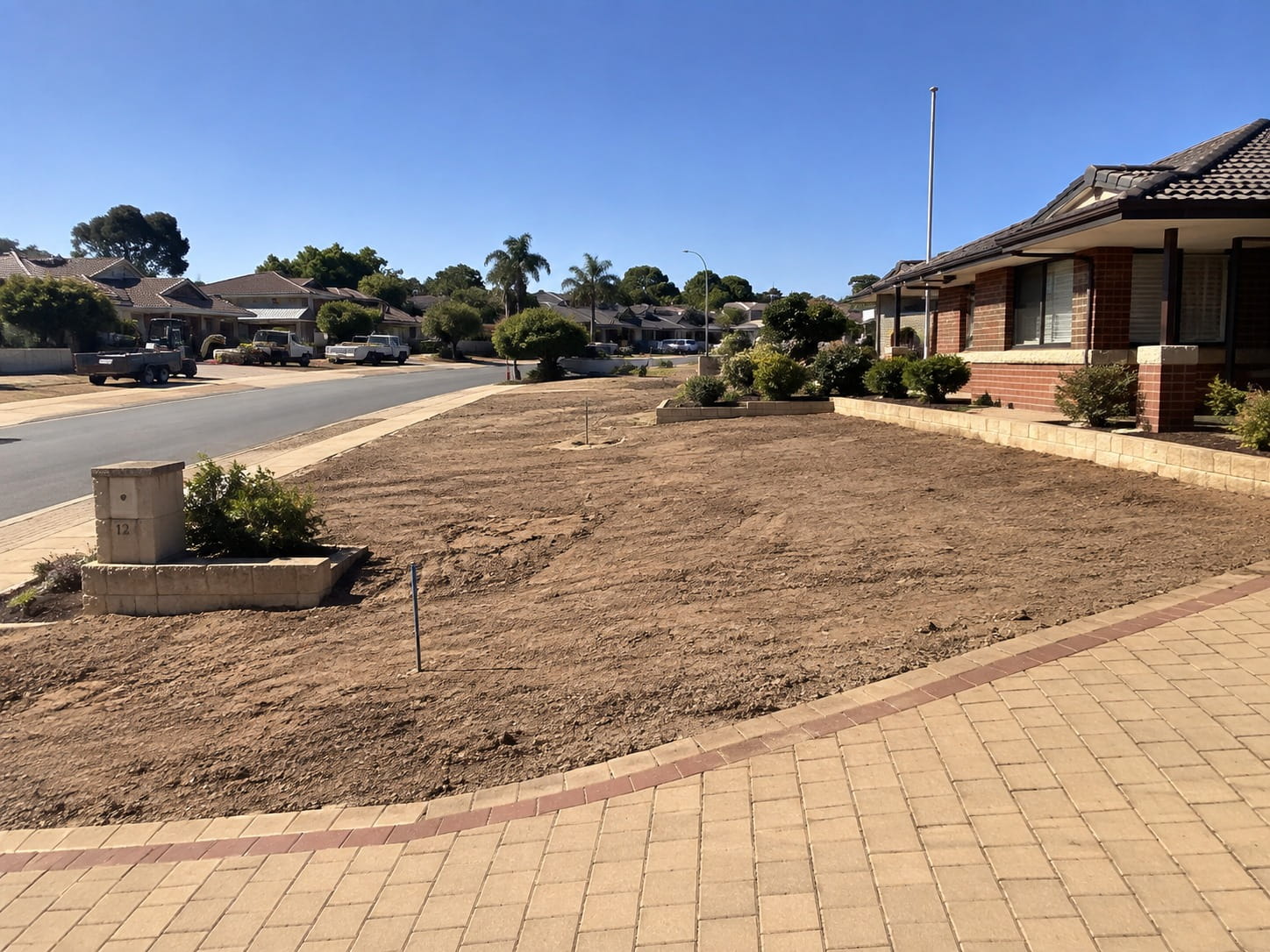
Old Lawn Removal
Dead grass, weeds and thatch stripped out completely before new turf goes down.
Learn more →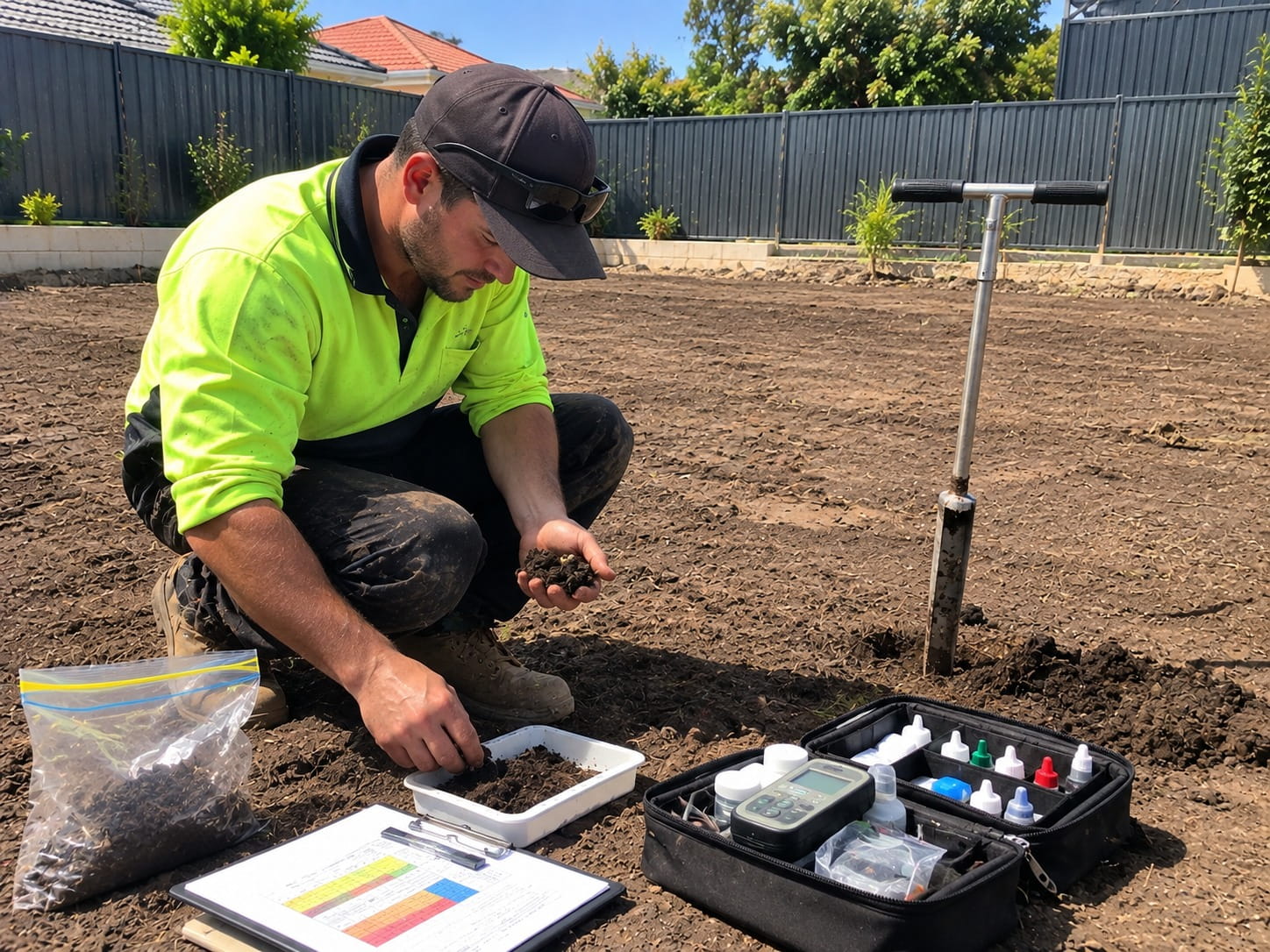
Soil Testing
pH, nutrient and water-holding checks so your lawn suits the ground it goes on.
Learn more →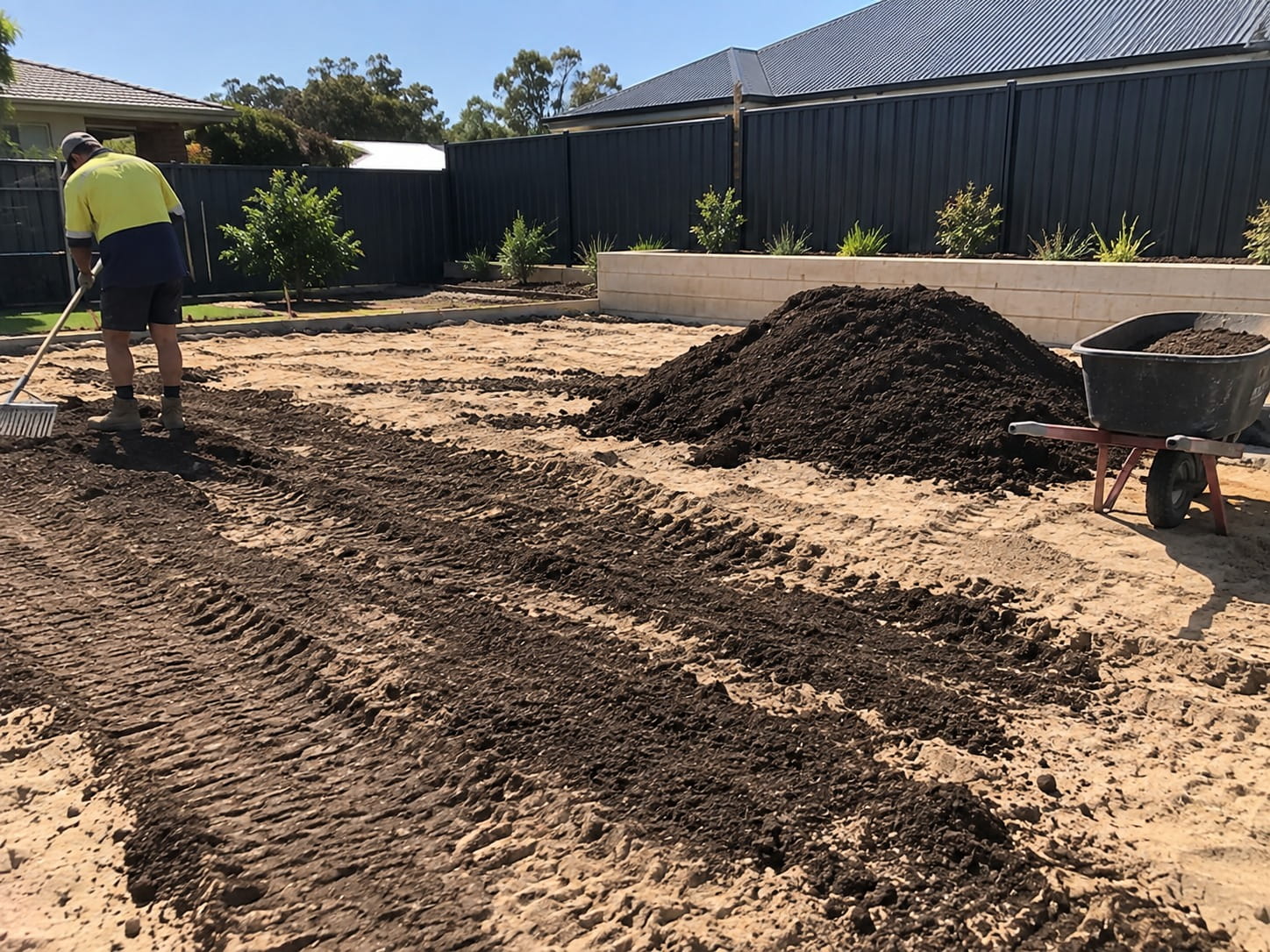
Soil Preparation
Ground loosened, cleared and conditioned so new roots establish and spread quickly.
Learn more →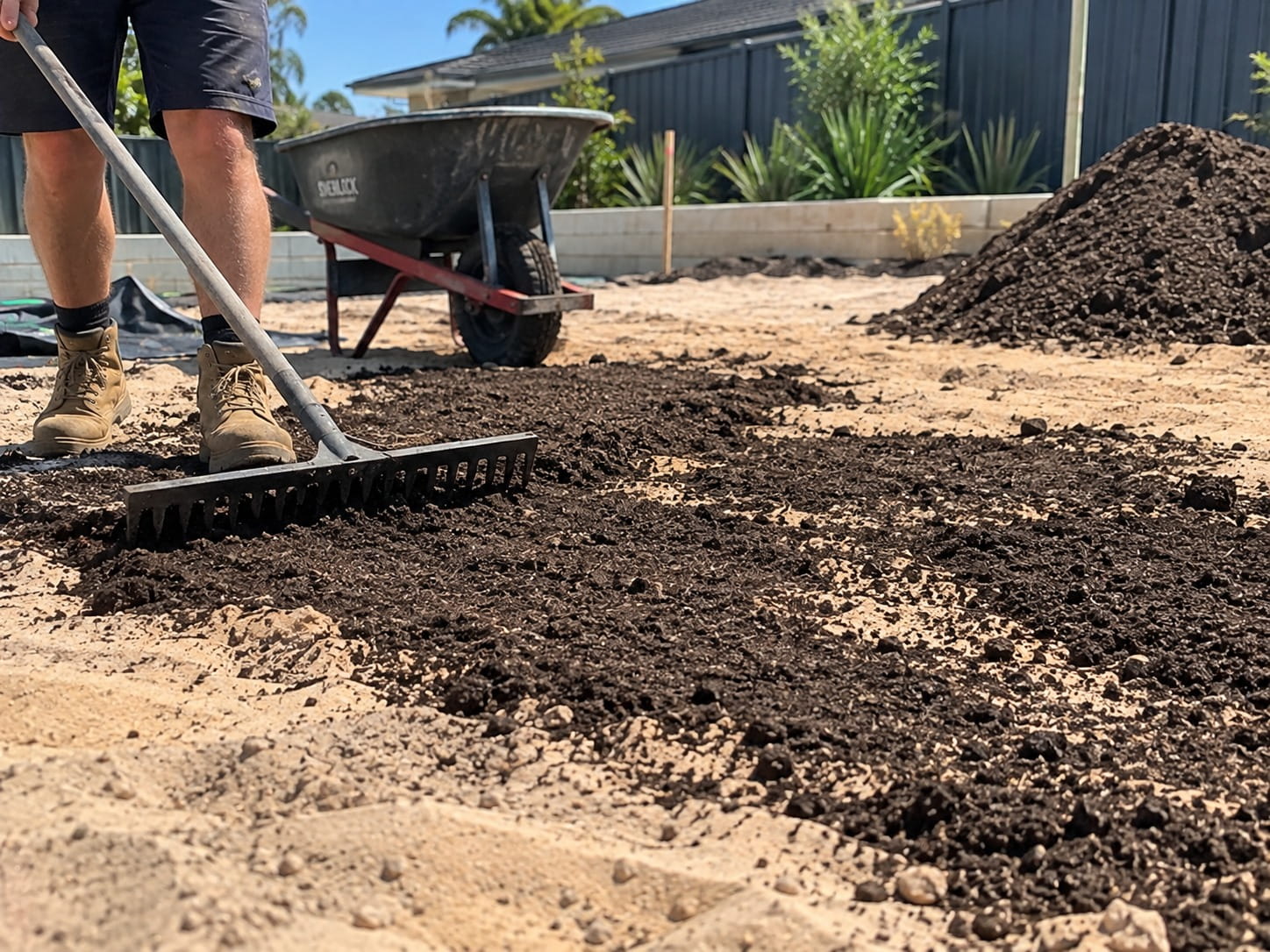
Sandy Soil Improvement
Wetting agents and organic matter that help Perth's hydrophobic sand hold water.
Learn more → Site Levelling
Dips and humps removed for a smooth base that drains properly and mows cleanly.
Learn more →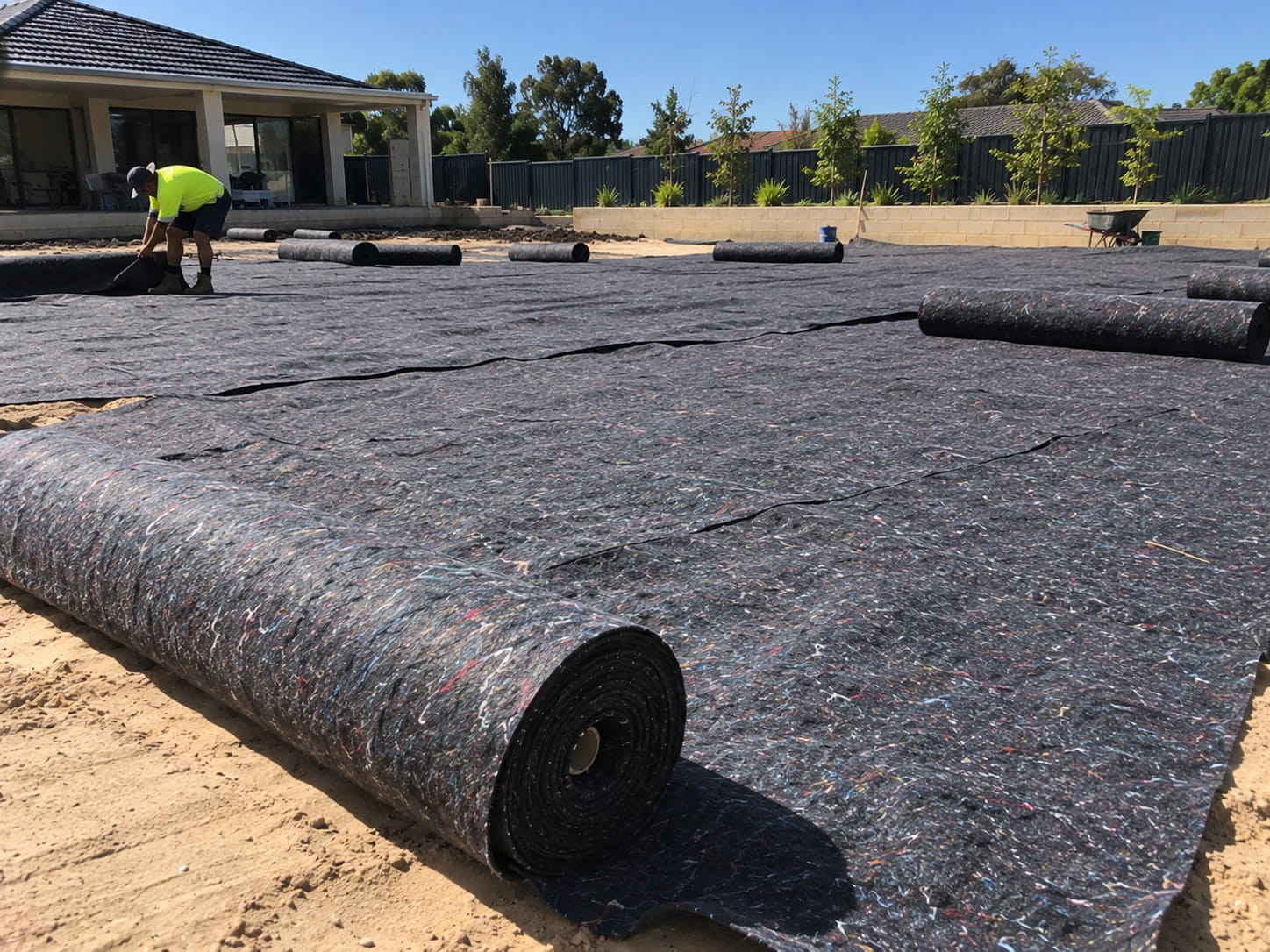
Turf Underlay
An extra base layer over poor or compacted ground for even, reliable establishment.
Learn more →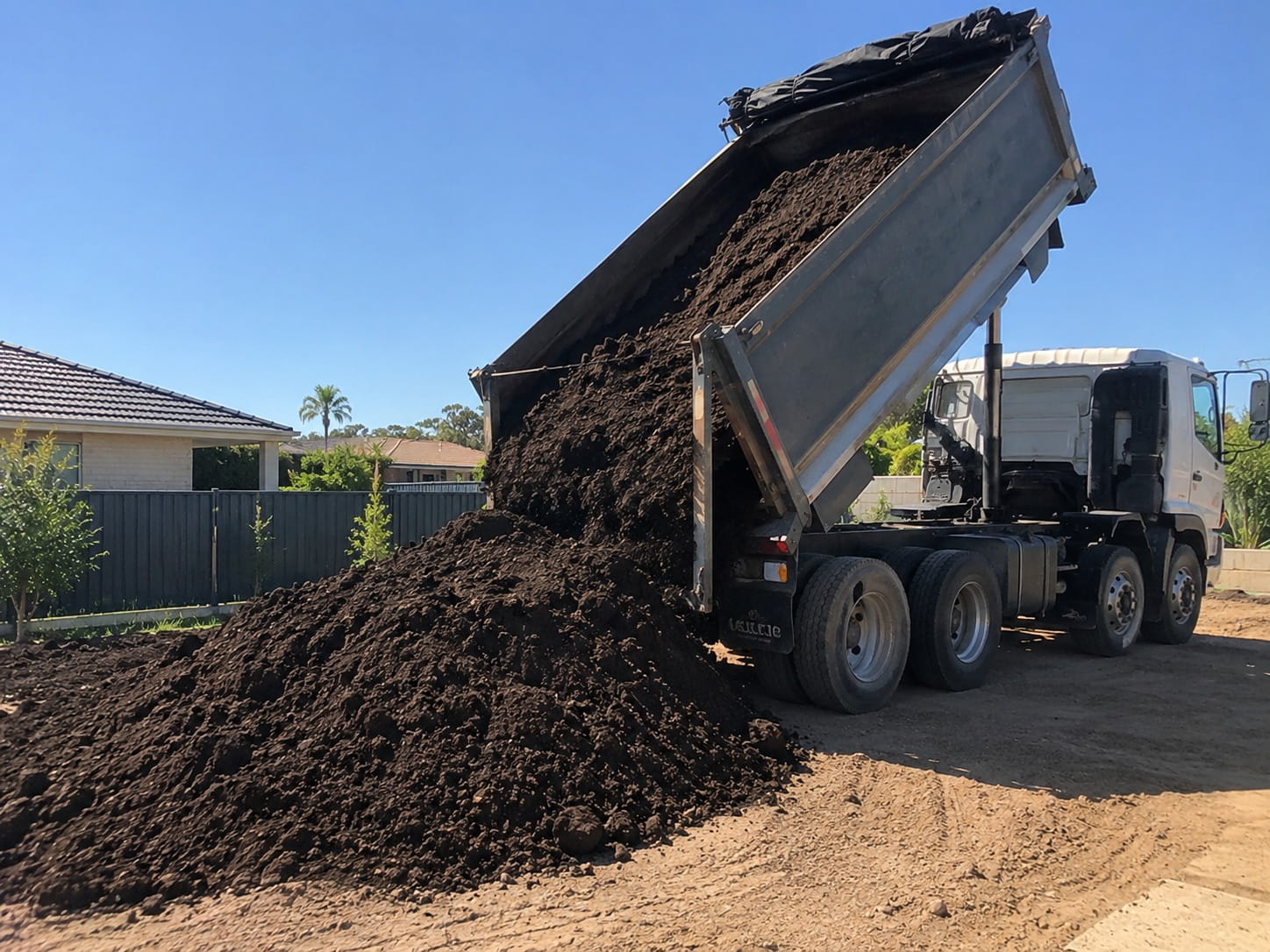
Top Soil Supply
Nutrient-rich topsoil for yards where existing soil is poor, sandy or stripped back.
Learn more →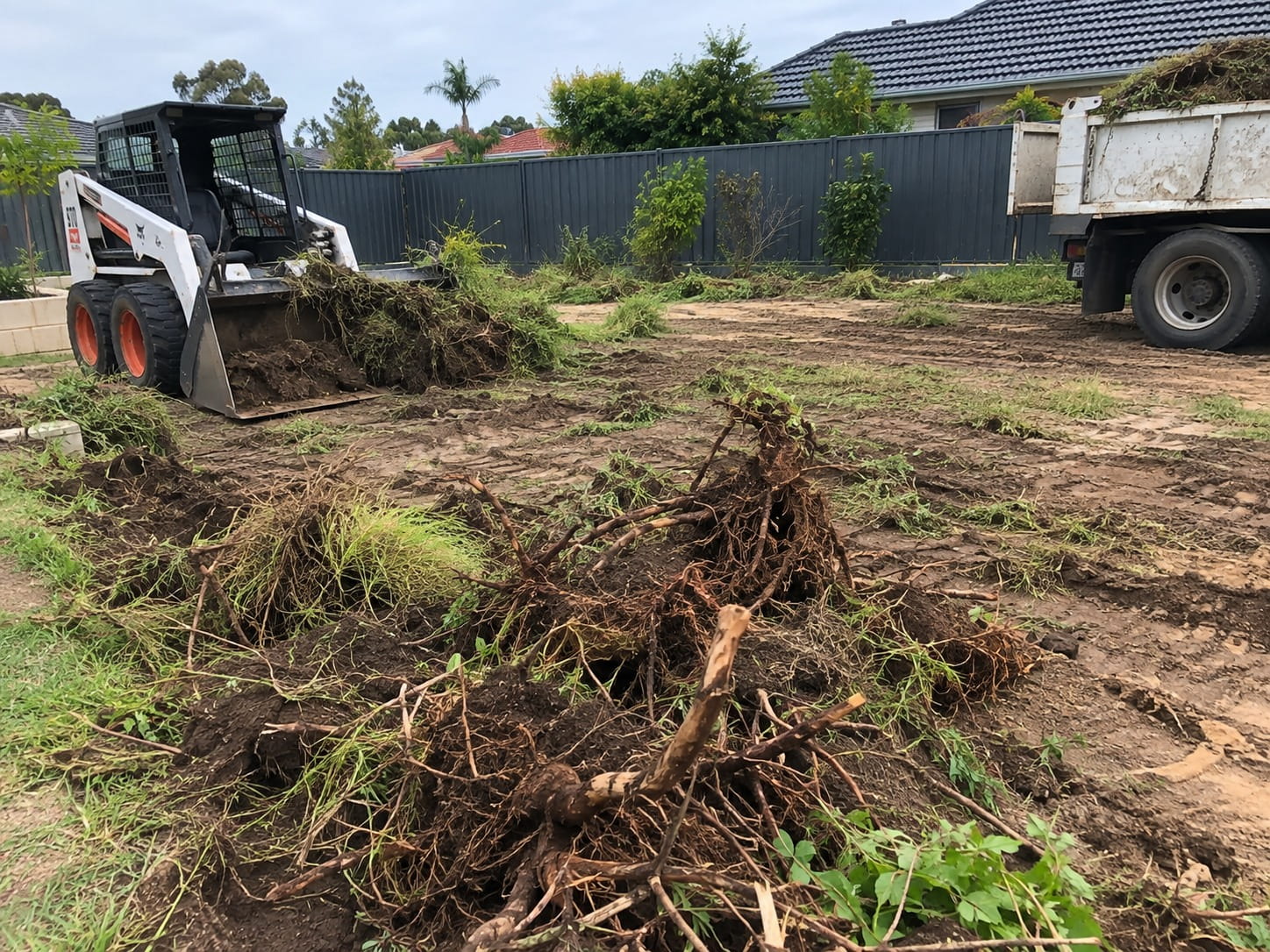
Weed and Root Removal
Invasive roots and weeds cleared below the surface so they don't return.
Learn more →Frequently Asked Questions About Site Grading
What is site grading?
Site grading shapes your yard with subtle, intentional falls that direct rainwater and irrigation away from your home's foundations and toward suitable drainage points.
Does grading mean making my yard flat?
No. Grading is about how water moves across your block, not levelling everything flat. It’s planned around how your property sits and drains naturally.
How do I know if my yard needs grading?
Common signs include water pooling against structures, soggy low-lying lawn areas, or water running off before it can soak in.
Does grading matter in Perth’s dry climate?
Yes. Correct grading helps your lawn cope with Perth's occasional heavy downpours and makes the most of irrigation through long dry spells.
Is site grading part of site preparation?
Yes. We plan grading as part of your overall site preparation, alongside levelling and soil work.